
UV LED measurements require a source to power the device, a digitizer for accurate measurement and an optical measurement device (photodiode, spectrometer, etc.) to measure the light. Recommended measurement modes for UV LEDs are described in the LM-92-22 standard.
UV-LED Measurement and Characterization System
If you need more than a power source and software, Vektrex partners with GigaHertz-Optik to supply a full UV-LED measurement system including sphere, spectroradiometer, SMU, software, cables, and the needed accessories to support measurement and characterization of UV LEDs.
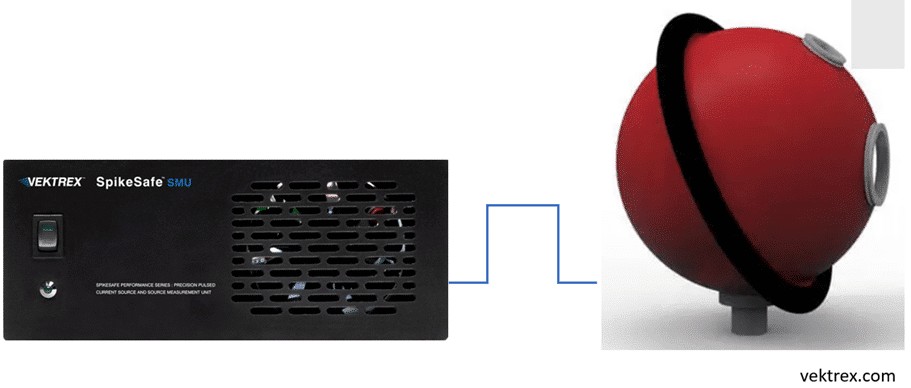
We configure and fully customize the system to meet your unique requirements.
Learn More About the DCP LED Test Station
UV LEDs May Be Difficult to Characterize
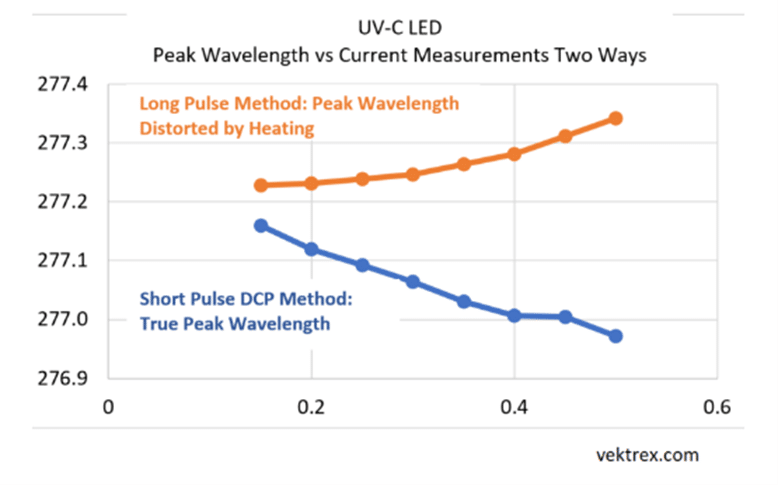
UV LEDs have certain characteristics that make them difficult to characterize. For example, UV-C LED’s peak wavelength changes with current. If this LED is measured with DC-like long pulses, the peak wavelength seems to increase with current. But the actual characteristic, seen with short pulse testing, is a decreasing trend.
UV LED Test Method Information
How to Power UV LEDs for Measurement
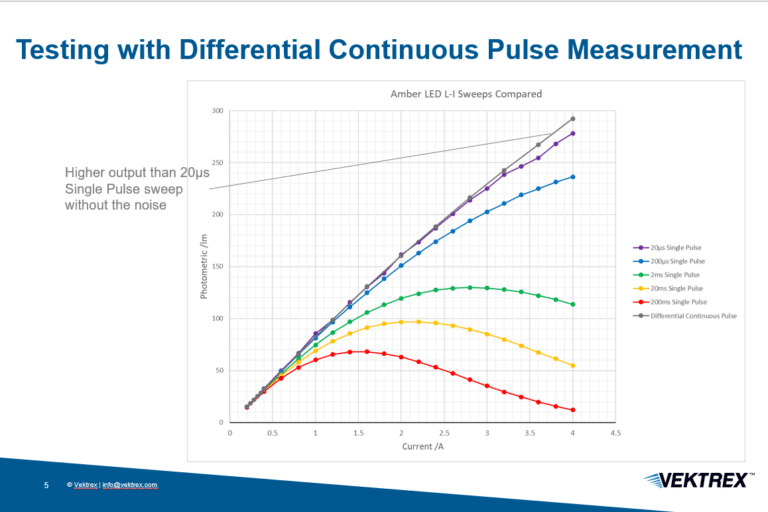
Vektrex Pulsed SMU meet the requirements for testing UV-A, UV-B, and UV-C LEDs with short pulses. In fact, the Vektrex SMU was used extensively in research that led to the development of the ANSI/IES UV-LED Measurement standard, LM-92-22. LM-92-22 specifies pulses of 10 µs and 20 µs, and a technique called Differential Continuous Pulse method.
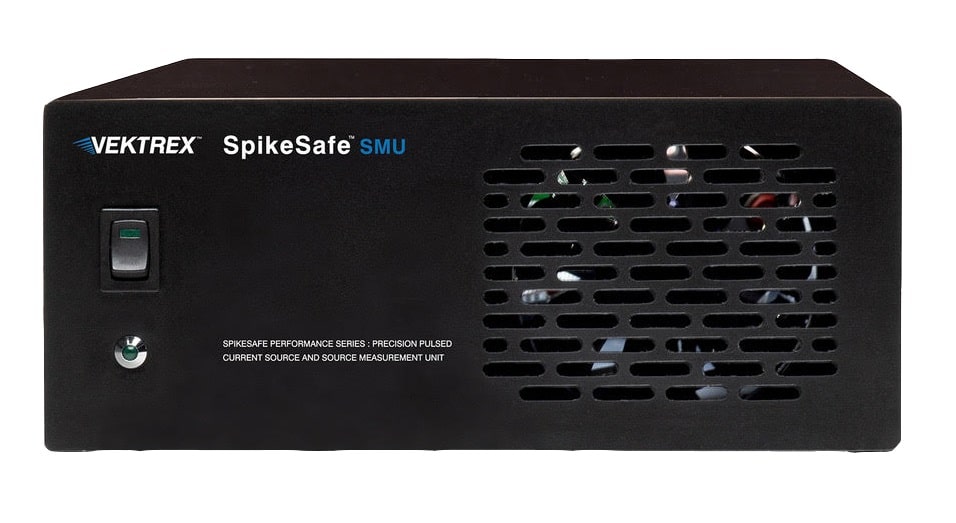
To power your device, connect the SpikeSafe SMU using the supplied force/sense cables. Then use Vektrex developed Control Panel software application to connect, configure and control the SMU. Define the pulsed current mode, pulse parameters and digitizer settings. The LED’s forward voltage is measured with the SMU’s smart digitizer, which automatically aligns measurements with the current pulse. Trigger in and trigger out signals are available to synchronize current pulses with external instruments to capture the light. Visually validate your UV-LED measurement.
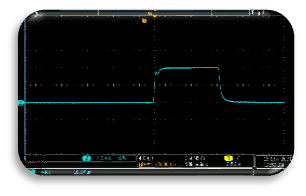
Use short pulse measurements to see the true device characteristics.
Vektrex Pulsed SMU Key Features for UV-LED Measurement
- Short pulse for better measurements (10us recommended)
- Optimized for LM92 DCP measurement reducing post processing math
- Component to pair with your favorite light measurement device
- Software to simplify and automate LM92 measurements
- Available as a complete UV-LED Measurement system
Features That Differentiate Vektrex Pulsed SMU
- Clean, low-jitter pulsing from 1 µs to DC
- True-differential 18bit digitizer automatically aligns measurements to pulse
- Compliance voltages above 0V to 400V
- Currents up to 60A – one instrument
- Low or high duty cycle operation, 0-100%
- High average output power, >500W. Extend total output power using
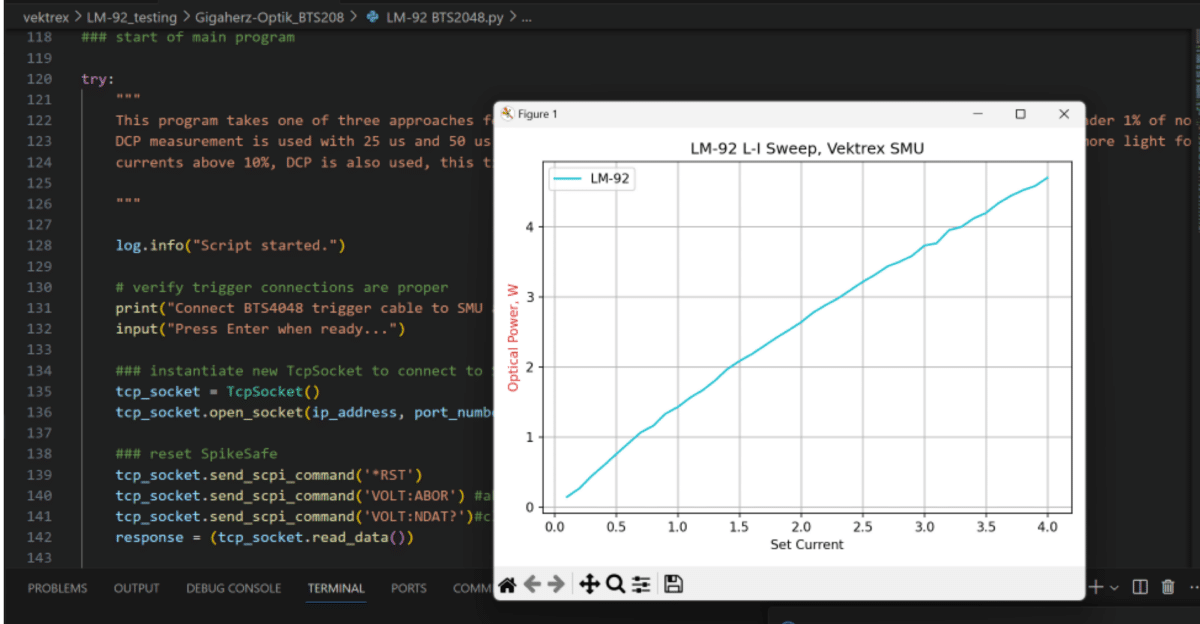
LM-92-22 DCP Measurements using Python
Leverage the power of LM92 and the Differential Continuous Pulse method for accurate electro-optical measurements using Vektrex python API.
Learn more about the UV-LED Measurement software
Short-Pulse-LED-Measurement Research By Vektrex
To learn more about the science behind short pulse testing, here are some useful references:
- Short Pulses for Better Measurements: This article, authored by Jeff Hulett, explains why short pulses will achieve more accurate optical measurements.
- Simplify Short Pulse Test Implementation: Published in LEDs Magazine, Jeff Hulett explains how a new short-pulse test method has advanced spectrometer and source/measure instrument capabilities used in electro-optical measurements of LEDs.
- Use Fast Precise Pulsed SMU to Characterize LED Droop: LED products are typically characterized using methods that increase device heating. These outdated methods, using DC current, long pulses or staircase sweeps result in temperature droop.
- UV-LED Thyristor Effect The thyristor effect is a known shortcoming of immature LED products. See differences in UV-LED measurements for mature and immature devices.
100x Better Measurements
Optimum methods for implementing UV-LED short pulse tests are documented in ANSI/IES LM-92. LM-92’s methods explain how to use techniques like DCP to overcome thermal, optical, and electrical challenges UV parts present. Standardized measurements ensure your measurements will agree with measurements taken at other labs. They also provide authoritative proof your product will deliver the advertised power, providing effective germicidal disinfection.
To learn more about UV-LED Measurements refer to:
Optical Metrology and Documentary Standards for GUV Radiation Sources: Read the full article authored by Jeff Hulett, Cameron Miller (NIST), and Yuqin Zong (NIST) in UV Solutions Magazine.
- NIST, IUVA, and Vektrex Collaboration Produces LM-92 UV LED Testing Standard: Jeff Hulett, Cameron Miller, and Troy Cowan detail the importance of cross-organization participation in UV standards development and how those efforts will further market penetration and performance of GUV devices.
- LM-80-21 Release Improves Testing Methodology: LM-80-21 improves testing methodology for visible LED devices and addresses applicability to new classes of devices, including UV LEDs, laser diodes and filament LEDs
- Mean Differential Continuous Pulse Method for Accurate Optical Measurements of Light-Emitting Diodes and Laser Diodes: NIST publication related to methods for accurate optical measurements of LEDs and Laser Diodes.
- Factors to Consider with UV Measurements: LEDs Magazine webinar featuring Intertek and Vektrex.
- Practical Implementation and Applications of DCP Measurements: The new Differential Continuous Pulse (DCP) measurement method is a powerful tool that can speed and simplify challenging LED and laser optical measurements.